

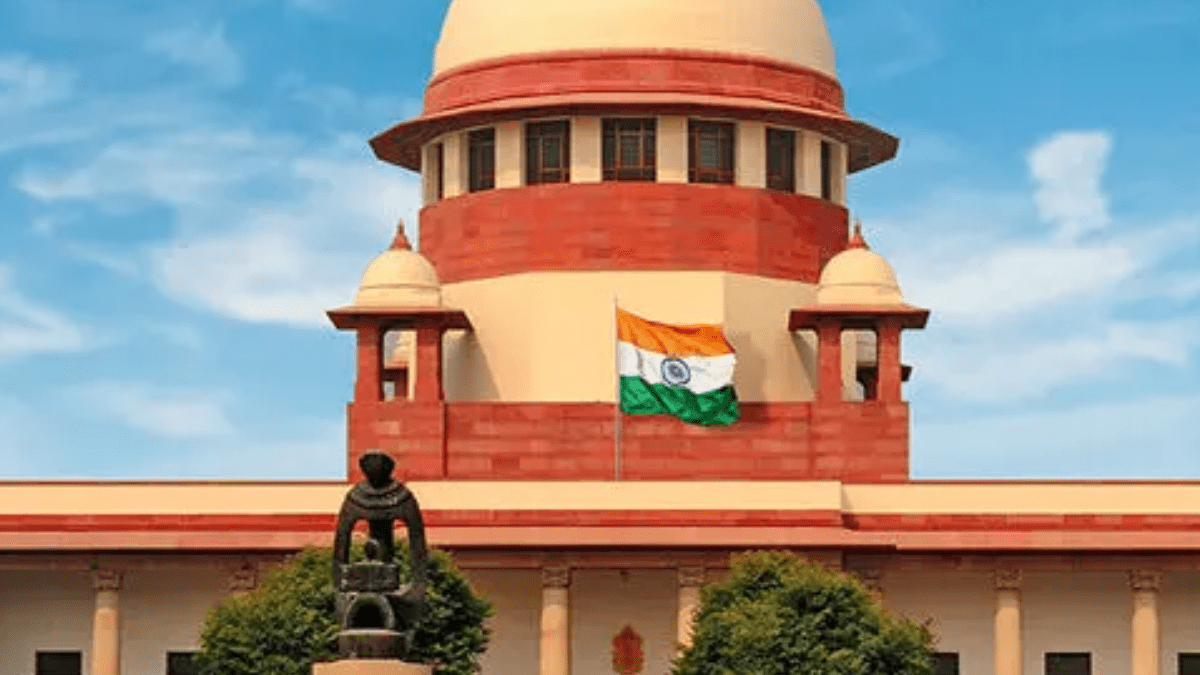
The Supreme Court is set to pronounce its judgment on 27th May 2026 in the batch of cases concerning the constitutional validity of state laws regulating and prohibiting online money gaming, a decision expected to significantly shape the future legal architecture of India’s gaming industry.
According to the daily cause list of the Supreme Court, a Bench comprising Justice J.B. Pardiwala and Justice R. Mahadevan will deliver judgment in the lead matter, State of Tamil Nadu v. Junglee Games India Private Limited & Anr., along with connected petitions.
The dispute primarily concerns the extent of legislative competence of state governments to prohibit or regulate online real-money gaming activities, including rummy, poker, fantasy sports and other skill-based games played for stakes.
The Supreme Court had initially heard petitions challenging GST showcause notices issued to online gaming companies and casinos together with the state laws banning online games for stakes, however, the court has just announced the date for pronouncement of the regulatory batch of cases, with the date for pronouncement of judgment in the GST batch not yet announced.
During the hearings, the Court examined issues relating to the distinction between games of skill and games of chance, the constitutional protection available to legitimate business activities under Article 19(1)(g), and whether states can impose blanket prohibitions on online games involving stakes.
The Tamil Nadu government defended its legislation on grounds including public order, addiction, financial harm and protection of vulnerable persons. Gaming companies and industry bodies argued that games predominantly involving skill cannot automatically be treated as gambling merely because money is involved.
The judgment is expected to have consequences extending well beyond the present batch of matters.
First, the ruling is likely to directly impact the pending constitutional challenges to the Promotion and Regulation of Online Gaming Act, 2025 (PROGA), enacted by the Union Government after the present matters had already been reserved for judgment. Since the Supreme Court is examining foundational constitutional concepts such as “gaming”, “betting”, “gambling”, and “games of skill”, its interpretation may significantly influence the validity and operational scope of the central legislation.
Second, the decision could also affect one of the major grounds raised in the separate GST litigation involving online gaming companies. In the GST proceedings, operators have argued that games of skill stand on a different legal footing from betting and gambling activities. Any authoritative pronouncement by the Supreme Court on the constitutional status of online skill gaming may therefore become relevant in determining the tax treatment applicable to the sector.
Third, the judgment may have implications for traditional offline gaming clubs and recreational establishments across several states. Courts have historically distinguished games of skill played in physical clubs from gambling activities. A broader interpretation adopted by the Supreme Court in the online gaming context could potentially influence future regulatory approaches towards offline gaming operations as well.
Finally, industry observers believe the ruling may indirectly affect the future GST exposure of gaming platforms even if operators succeed on other valuation-related arguments in the pending tax disputes. If the Court adopts a broader understanding equating real-money skill gaming with betting or gambling, authorities may seek to justify a higher GST framework even on gross gaming revenue models, potentially increasing tax exposure from 18% to 28% in future regulatory or legislative exercises.
The verdict is therefore being closely watched not only by online gaming companies and state governments, but also by tax authorities, investors, offline gaming operators and policy-makers, with the judgment expected to become a defining precedent for India’s gaming and digital economy landscape.